

Introduction
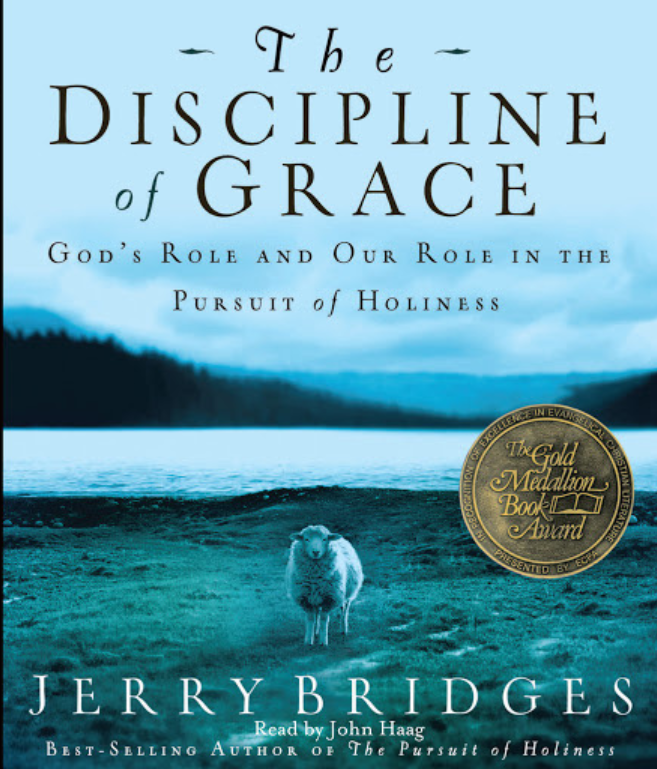
The Discipline of Grace Jerry Bridges is one of the most influential Christian books ever written on spiritual growth, holiness, and the transforming power of God’s grace. Since its publication, this book has encouraged countless believers to stop relying on their own efforts for acceptance before God and instead rest confidently in the finished work of Jesus Christ.
Many Christians unknowingly fall into one of two extremes. Some believe they must continually earn God’s approval through good works, while others misunderstand grace as permission to live carelessly. Jerry Bridges challenges both misconceptions by presenting a balanced, deeply biblical understanding of how grace and spiritual discipline work together in the life of every believer.https://www.challies.com/book-reviews/the-discipline-of-grace/
Unlike books that focus primarily on self-improvement, The Discipline of Grace continually points readers back to the gospel. Bridges reminds Christians that the same grace that saves them is also the grace that strengthens, transforms, and sustains them every day.
Whether you’re searching for a detailed summary, an honest review, memorable quotes, key lessons, or wondering if this book is worth reading, this comprehensive guide covers everything you need to know.
Table of content:
The Discipline of grace by Jerry Bridge
How can Christians purue holiness without falling into legalism or depending on their own strength
The Central themes of the discipline of grace
Prons and cons
Frequent questions
Conclusion
Grace and Personal Discipline Work Together
Quick Answer:
What is The Discipline of Grace by Jerry Bridges?
The Discipline of Grace is a gospel-centered Christian book that teaches believers how to pursue holiness while relying completely on God’s grace rather than their own performance. Jerry Bridges explains that spiritual growth happens through daily dependence on Christ, faithful obedience, and continual trust in the gospel.
Who Was Jerry Bridges?
Jerry Bridges (1929–2016) was one of the most respected evangelical Christian authors and teachers of the twentieth century. He served for decades with The Navigators, an international Christian discipleship ministry dedicated to helping believers grow in their relationship with Christ.
Throughout his ministry, Bridges became known for explaining profound biblical truths in a practical and accessible way. His books continue to be studied in churches, Bible colleges, small groups, and personal devotional settings around the world.
Some of his most well-known books include:
- The Pursuit of Holiness
- Trusting God
- Transforming Grace
- Respectable Sins
- The Discipline of Grace
- The Practice of Godliness
His writing consistently emphasizes:
- The authority of Scripture
- The centrality of the gospel
- Personal holiness
- God’s grace
- Faith-filled obedience
- Daily dependence on Christ
One reason readers continue to trust Jerry Bridges is his ability to balance rich biblical theology with practical Christian living. Rather than presenting Christianity as a list of rules, he continually points believers to the grace of God revealed through Jesus Christ.
What Is The Discipline of Grace About?
At its core, The Discipline of Grace answers one life-changing question:
How can Christians pursue holiness without falling into legalism or depending on their own strength?
Jerry Bridges argues that many believers unintentionally live as though God accepts them based on their spiritual performance. When they pray consistently, read the Bible daily, or avoid certain sins, they feel closer to God. But when they fail, they often experience guilt, shame, and distance from Him.
Bridges explains that this way of thinking misunderstands the gospel.
Instead, God’s acceptance of believers is based entirely on the perfect righteousness of Jesus Christ. Spiritual disciplines such as prayer, Bible reading, worship, and obedience remain essential—not because they earn God’s favor, but because they help believers grow in their relationship with Him.
This distinction changes everything.
Rather than obeying out of fear, Christians learn to obey from gratitude.
Rather than striving for acceptance, they live from the assurance that they are already accepted in Christ.
Why This Book Still Matters Today
Although The Discipline of Grace was first published years ago, its message is more relevant than ever.
Modern culture often encourages people to define their worth by achievements, productivity, or personal success. Sadly, this mindset can also influence the Christian life, leading believers to measure their relationship with God by how well they perform.
Jerry Bridges offers a refreshing alternative.
He reminds readers that the Christian life begins with grace, continues through grace, and ends in grace. The gospel is not merely the doorway into Christianity—it is the foundation upon which the entire Christian life is built.
This timeless message continues to resonate with readers because it addresses struggles that every believer faces:
- Feelings of spiritual failure
- Guilt after sin
- Fear of not doing enough
- Pride in personal achievements
- Inconsistent spiritual disciplines
- Doubts about God’s acceptance
- The temptation toward legalism
- Misunderstanding biblical grace
By pointing readers back to Christ, Bridges offers hope, freedom, and renewed confidence in God’s promises.
Core Message of the Book
If the entire book could be summarized in one sentence, it would be this:
Never become spiritually self-dependent. Depend every day on the grace of God revealed through Jesus Christ.
Everything else in the book flows from this truth.
Grace is not merely God’s kindness shown at salvation.
Grace is the atmosphere in which believers live every single day.
It empowers:
- Obedience
- Holiness
- Repentance
- Faith
- Spiritual growth
- Christian perseverance
Without grace, spiritual disciplines become burdensome.
With grace, they become joyful acts of worship.
The Central Themes of The Discipline of Grace
1. Grace Is More Than Forgiveness
Many Christians think of grace only as God’s forgiveness for past sins. Jerry Bridges expands this understanding by showing that grace is God’s ongoing provision for every aspect of the Christian life.
Grace strengthens believers during weakness, encourages them after failure, and enables them to continue pursuing holiness with confidence.
2. The Gospel Is for Every Day
Bridges repeatedly emphasizes that believers should never move beyond the gospel. Instead, they should remind themselves daily of Christ’s sacrifice, God’s mercy, and the assurance of salvation.
This daily focus keeps the heart humble, grateful, and dependent on God rather than on personal achievements.
3. Holiness Flows From Grace
True holiness is not produced by fear or legalistic rule-keeping. It grows naturally as believers understand God’s love, trust His promises, and respond with willing obedience.
Grace does not weaken the pursuit of holiness—it strengthens it.
4. Spiritual Disciplines Have a Purpose
Prayer, Bible study, worship, fellowship, and obedience are essential practices for Christian growth. However, Bridges reminds readers that these disciplines are means of experiencing God’s grace, not methods for earning His approval.
Chapter-by-Chapter Summary of The Discipline of Grace Jerry Bridges
Quick Answer:
While chapter titles may vary slightly between editions, the core teaching remains the same: believers grow spiritually by depending on God’s grace every day while faithfully practicing biblical obedience. Each chapter builds on the truth that the gospel is not only the beginning of the Christian life but also its ongoing foundation.
Understanding the Foundation of Grace
Jerry Bridges begins by addressing one of the biggest misunderstandings among Christians. Many people know they were saved by grace but gradually start living as if they must earn God’s continued approval through good behavior.
This mindset creates an exhausting cycle:
- Trying harder to please God
- Feeling proud after success
- Feeling guilty after failure
- Trying even harder again
Bridges explains that this cycle is rooted in self-reliance rather than faith.
Instead, believers must remember that God’s love and acceptance are based entirely on the righteousness of Jesus Christ. Obedience matters, but it flows from grace rather than replacing it.
Key Lesson
Your relationship with God is built on Christ’s finished work, not your daily performance.
Why the Gospel Must Be Preached to Yourself Every Day
One of the book’s most memorable teachings is that Christians should “preach the gospel to themselves every day.”
This doesn’t mean repeating empty phrases. It means intentionally reminding yourself of biblical truths, including:
- Christ died for your sins.
- Your righteousness comes from Jesus.
- God’s grace is greater than your failures.
- Forgiveness is available because of the cross.
- Your identity is found in Christ, not in your achievements.
Many believers focus on the gospel only when they first become Christians. Bridges argues that this is a mistake. The gospel should shape every decision, every prayer, and every act of obedience throughout life.
Practical Application
When you struggle with guilt or discouragement, remind yourself of God’s promises before focusing on your failures. This shifts your attention from self-condemnation to God’s grace.
Grace and Personal Discipline Work Together
A common misconception is that emphasizing grace makes Christians spiritually lazy. Jerry Bridges strongly rejects this idea.
Instead, he explains that grace motivates discipline rather than replacing it.
Christian disciplines include:
- Daily prayer
- Bible reading
- Worship
- Fellowship with other believers
- Serving others
- Confession of sin
- Scripture meditation
These practices are not ways to earn God’s favor. They are opportunities to grow closer to Him.
Imagine a healthy family relationship. A child does not obey loving parents to become part of the family; the child obeys because they already belong. In the same way, Christians practice spiritual disciplines because they belong to God through Christ.
Key Takeaway
Grace changes the reason for obedience. Instead of obeying out of fear, believers obey out of love and gratitude.
The Difference Between Justification and Sanctification
One of the book’s greatest strengths is its clear explanation of two essential biblical doctrines.
| Doctrine | Meaning | Result |
| Justification | God declares believers righteous because of Jesus Christ. | A secure relationship with God. |
| Sanctification | The lifelong process of becoming more like Christ. | Ongoing spiritual growth. |
Jerry Bridges explains that confusing these two doctrines often leads to frustration.
Some Christians unknowingly treat sanctification as if it determines their justification. They believe God accepts them more when they perform well and less when they struggle.
The gospel teaches the opposite.
Justification is complete because of Christ.
Sanctification is the grateful response of someone who has already been accepted by God.
Understanding this distinction brings freedom from fear and renewed motivation for holy living.
The Danger of Legalism
Legalism is one of the major issues addressed throughout the book.
Legalism is not simply following rules. It is the belief that obedience earns God’s acceptance or makes a person more deserving of His love.
Jerry Bridges identifies several signs of legalistic thinking:
- Constantly comparing yourself with other Christians
- Feeling spiritually superior because of personal achievements
- Believing God loves you more on your “good days”
- Measuring your relationship with God by religious activities alone
- Looking down on believers who struggle differently than you do
Legalism often appears spiritual on the outside, but it quietly shifts attention away from Christ and onto personal performance.
The gospel offers freedom by reminding believers that Jesus has already accomplished what they never could.
Reflection
Grace does not lower God’s standard of holiness. Instead, it provides the strength to pursue holiness with humility.
Depending on the Holy Spirit
Another important lesson in The Discipline of Grace is that lasting spiritual growth cannot be produced by human determination alone.
Many Christians begin with sincere enthusiasm but eventually become discouraged because they rely on willpower instead of God’s strength.
Jerry Bridges points readers back to the work of the Holy Spirit.
The Spirit empowers believers to:
- Understand Scripture
- Resist temptation
- Develop Christian character
- Produce spiritual fruit
- Grow in holiness
- Serve others faithfully
This dependence requires daily humility. Instead of asking, “How strong am I?” believers learn to ask, “How faithfully am I depending on God today?”
Growing Through Failure
One of the most encouraging parts of the book is Bridges’ honest discussion about failure.
Every Christian sins.
Every believer experiences seasons of weakness.
The difference is how we respond.
Many people respond with shame, discouragement, or attempts to prove themselves worthy again.
Jerry Bridges encourages a gospel-centered response:
- Admit your sin honestly.
- Confess it to God.
- Remember Christ’s sacrifice.
- Accept God’s forgiveness.
- Continue pursuing holiness with renewed confidence.
Failure becomes an opportunity to experience God’s grace more deeply rather than a reason to give up.
Holiness Is a Lifelong Journey
The Christian life is not about instant perfection.
Jerry Bridges reminds readers that sanctification is a gradual process.
Some days believers experience noticeable growth.
Other days involve setbacks and struggles.
Yet throughout every season, God’s grace remains constant.
This truth encourages patience, perseverance, and hope.
Instead of measuring success by perfection, Christians can celebrate steady progress while trusting God to complete the work He has begun.
Practical Applications From These Chapters
One reason The Discipline of Grace remains so popular is its practical relevance. Bridges consistently moves from theological truth to everyday application.
Here are some practical ways readers can apply the book’s teaching:
Begin each day with the gospel.
Before thinking about your responsibilities, remind yourself that your identity is rooted in Christ’s finished work, not in what you accomplish today.
Practice spiritual disciplines consistently.
Read Scripture, pray, worship, and fellowship with other believers—not to earn God’s favor but to deepen your relationship with Him.
Replace guilt with gratitude.
When you fail, don’t hide from God. Confess your sin, receive His forgiveness, and continue walking in His grace.
Depend on the Holy Spirit.
Ask God daily for wisdom, strength, and a heart that desires obedience.
Encourage others with grace.
Remember that every believer is growing at a different pace. Extend the same grace to others that God has shown to you.
Key Takeaways
- The gospel should shape every day of the Christian life.
- Grace and discipline are partners, not opposites.
- Justification is complete; sanctification is ongoing.
- Legalism focuses on performance, while grace focuses on Christ.
- Spiritual disciplines are responses to God’s love, not requirements for earning it.
- The Holy Spirit empowers lasting transformation.
- Failure is an opportunity to experience God’s grace more deeply.
- Holiness is a lifelong journey of faith and dependence.
Powerful Lessons from The Discipline of Grace Jerry Bridges
Quick Answer:
The greatest lesson in The Discipline of Grace is that believers never outgrow their need for the gospel. Jerry Bridges teaches that spiritual maturity comes not from trying harder to earn God’s favor but from trusting Christ more deeply and allowing His grace to transform everyday life.
In the first two parts of this guide, we explored the book’s purpose, central message, and key teachings. Now, let’s look at the life-changing lessons that have made this book a trusted resource for pastors, Bible study groups, and Christians around the world.
Lesson 1 – Never Move Beyond the Gospel
Many Christians think of the gospel as the message that leads people to salvation. Once they become believers, they often shift their focus entirely to spiritual disciplines, personal growth, and good works.
Jerry Bridges challenges this way of thinking.
He explains that the gospel is not only the starting point of the Christian life—it is its foundation every single day.
Every believer still needs to remember:
- Christ died for our sins.
- Our acceptance with God is based on Jesus, not our performance.
- God’s grace is sufficient for every weakness.
- Forgiveness remains available because of Christ’s sacrifice.
When believers continually remind themselves of these truths, they experience greater joy, humility, and confidence in their walk with God.
Practical Application
Begin each morning by thanking God for Christ’s finished work before thinking about your own accomplishments or failures. This simple habit keeps your heart centered on grace rather than performance.
Lesson 2 – God’s Grace Produces Genuine Obedience
Some people worry that emphasizing grace might encourage careless living. Bridges explains that the opposite is true.
When believers truly understand God’s grace, they develop a deeper desire to obey Him—not because they are afraid of punishment, but because they are grateful for His love.
This changes the motivation behind every act of obedience.
Instead of asking:
“What must I do so God will accept me?”
Believers begin asking:
“How can I honor the God who has already accepted me through Christ?”
This shift transforms obedience from a burden into an act of worship.
Lesson 3 – Spiritual Growth Is a Process
One of the most encouraging themes throughout the book is that spiritual maturity does not happen overnight.
Many Christians become discouraged when they continue to struggle with temptation, doubt, or recurring sins.
Jerry Bridges reminds readers that sanctification is a lifelong journey.
God patiently shapes His people over time.
Just as physical growth happens gradually, spiritual growth also develops through daily faithfulness, repentance, prayer, and dependence on God’s grace.
What This Means for Believers
Don’t measure your spiritual life only by how far you still have to go.
Instead, thank God for the progress He has already made in your heart while continuing to trust Him for future growth.
Lesson 4 – Humility Protects the Christian Life
Pride is one of the greatest dangers facing every believer.
Sometimes pride appears through obvious self-confidence.
Other times it appears more subtly through comparison, self-righteousness, or believing we deserve God’s blessings because of our efforts.
Jerry Bridges explains that remembering God’s grace leaves no room for pride.
Everything believers have—salvation, forgiveness, spiritual gifts, and eternal hope—is a gift from God.
This realization produces humility.
Humble Christians become more patient with others, quicker to forgive, and more willing to depend on God instead of themselves.
Lesson 5 – Faith Must Be Active Every Day
Faith is more than believing certain doctrines are true.
Biblical faith means actively trusting God’s promises during everyday life.
Bridges encourages readers to trust God:
- During suffering
- During success
- During temptation
- During uncertainty
- During failure
- During spiritual dryness
Faith grows stronger as believers continually choose to rely on God’s character instead of changing emotions or circumstances.
Lesson 6 – Holiness Is Motivated by Love, Not Fear
Many people obey God because they fear disappointing Him.
Others obey because they hope to earn blessings.
Jerry Bridges presents a healthier biblical perspective.
Love becomes the primary motivation for obedience.
Christians pursue holiness because:
- God first loved them.
- Christ gave His life for them.
- They desire to honor God.
- They want their lives to reflect Christ.
When love replaces fear, obedience becomes joyful rather than burdensome.
Lesson 7 – The Cross Changes Everything
The cross is not simply an event in history.
According to Jerry Bridges, it is the center of the Christian life.
Every spiritual blessing flows from Christ’s sacrifice.
The cross reminds believers that:
- Sin is serious.
- God’s love is immeasurable.
- Forgiveness is complete.
- Hope is always available.
- Grace triumphs over guilt.
Keeping the cross at the center protects Christians from both pride and despair.
Common Misunderstandings the Book Corrects
One reason The Discipline of Grace continues to be recommended is because it addresses several common misconceptions that many believers hold.
| Misunderstanding | Biblical Truth Explained by Jerry Bridges |
| God loves me more when I perform well. | God’s love is rooted in Christ, not in your daily performance. |
| Grace means I don’t need discipline. | Grace motivates joyful discipline and faithful obedience. |
| Good works earn God’s favor. | Good works are the fruit of salvation, not the cause of it. |
| Spiritual growth depends mostly on willpower. | Lasting growth depends on God’s grace and the work of the Holy Spirit. |
| Failure separates believers from God’s love. | Believers can confess their sins and confidently return to God’s grace through Christ. |
Strengths of The Discipline of Grace
There are many reasons why this book has remained a favorite among Christians for decades.
Gospel-Centered Teaching
Every chapter points readers back to the finished work of Jesus Christ rather than encouraging self-reliance.
Biblically Faithful
Jerry Bridges consistently supports his teaching with Scripture, helping readers see that his message is grounded in God’s Word rather than personal opinion.
Easy to Understand
Although the book discusses profound theological topics, Bridges explains them in clear, practical language that is accessible to both new and mature believers.
Practical Application
Each chapter encourages readers to apply biblical truth in daily life through prayer, repentance, faith, and spiritual disciplines.
Timeless Message
The struggles addressed in the book—guilt, pride, fear, legalism, and discouragement—are just as relevant today as when the book was first published.
Are There Any Weaknesses?
While The Discipline of Grace is highly respected, no book is perfect for every reader.
Some readers may find:
- Certain theological discussions require slow, thoughtful reading.
- The book emphasizes biblical reflection more than personal storytelling.
- Readers looking for quick motivational advice may prefer a lighter devotional.
However, these aspects are often viewed as strengths by those seeking deeper biblical understanding.
Who Should Read The Discipline of Grace?
This book is especially valuable for:
New Christians
It provides a solid biblical foundation for understanding grace, salvation, and spiritual growth.
Mature Believers
Long-time Christians often discover that they have unintentionally drifted toward performance-based thinking. Bridges gently redirects them back to the gospel.
Pastors and Church Leaders
Its balanced teaching makes it an excellent resource for sermons, discipleship, and counseling.
Small Groups and Bible Studies
The discussion-worthy chapters encourage meaningful conversations about faith, obedience, and grace.
Anyone Struggling with Guilt
Readers burdened by feelings of failure often find renewed hope as they learn to rest in Christ’s finished work.
Personal Takeaway
One of the most powerful truths from The Discipline of Grace is that God does not ask believers to carry the Christian life alone.
Instead, He invites them to depend on His grace every single day.
This perspective transforms the Christian life from an exhausting effort to earn God’s approval into a joyful journey of trusting the One who has already accomplished everything necessary through Jesus Christ.
Key Takeaways
- The gospel remains central throughout the Christian life.
- Grace changes the motivation behind obedience.
- Spiritual growth is gradual and lifelong.
- Humility grows when believers remember God’s grace.
- Faith is practiced daily, not occasionally.
- Holiness is motivated by love rather than fear.
- The cross remains the foundation of Christian living.
- God’s grace is greater than both our failures and our successes.
Memorable Quotes and Life-Changing Insights from The Discipline of Grace Jerry Bridges
Quick Answer:
One reason The Discipline of Grace continues to inspire readers is its memorable, gospel-centered wisdom. Rather than offering motivational slogans, Jerry Bridges consistently points believers back to God’s grace, the finished work of Christ, and the importance of daily dependence on the gospel.
Note: The following are original takeaways and paraphrased insights inspired by the book’s themes, not lengthy direct quotations from the copyrighted text.
Grace and the Gospel
Grace is the heartbeat of Jerry Bridges’ message. He reminds readers that Christianity is built on what Christ has done, not on what we can accomplish through our own efforts.
1. Grace is God’s gift, never a reward we can earn.
Meaning:
No amount of good works can purchase God’s love. Salvation and spiritual growth begin with His generosity, not our performance.
Life Application:
When you feel tempted to prove yourself to God, remember that His acceptance is already secured through Jesus Christ.
2. The gospel is not only for the day you believed—it is for every day you live.
Meaning:
The good news of Christ’s death and resurrection shapes every part of the Christian life, not just the moment of salvation.
Life Application:
Start each morning by thanking God for His grace before focusing on your daily responsibilities.
3. God’s love remains steady even when your emotions change.
Meaning:
Our feelings rise and fall, but God’s character never changes.
Life Application:
During seasons of doubt or discouragement, trust God’s promises rather than your emotions.
4. Christ’s righteousness is stronger than your greatest failure.
Meaning:
Believers stand before God because of Jesus’ perfect righteousness, not because they have lived perfectly.
Life Application:
Instead of remaining trapped in guilt, confess your sin and embrace God’s forgiveness.
5. Grace gives hope where guilt once ruled.
Meaning:
The gospel replaces despair with confidence in God’s mercy.
Life Application:
Remember that every failure can become an opportunity to experience God’s restoring grace.
Faith and Daily Dependence
Faith is more than believing facts about God—it is trusting Him in every circumstance.
6. Every day is another opportunity to trust God.
Meaning:
Faith grows through consistent dependence on God’s promises.
Application:
Ask yourself each morning, “How can I rely on God more today than yesterday?”
7. Spiritual strength begins with admitting your weakness.
Meaning:
God’s power is most clearly displayed when believers depend on Him rather than themselves.
8. Prayer is an expression of dependence, not religious duty.
Meaning:
Prayer reminds us that we cannot live faithfully apart from God’s help.
9. Faith continues even when circumstances remain difficult.
Meaning:
Trusting God does not require immediate answers.
10. God’s promises are stronger than today’s problems.
Meaning:
Scripture provides lasting hope regardless of life’s changing circumstances.
Holiness and Spiritual Growth
Jerry Bridges consistently teaches that holiness grows naturally from a heart transformed by grace.
11. Holiness begins with a grateful heart.
Meaning:
People who understand God’s love desire to honor Him.
12. Obedience is the fruit of grace, not its price.
Meaning:
Christians obey because they belong to God—not to become His children.
13. Spiritual maturity develops one faithful step at a time.
Meaning:
Growth is usually gradual rather than dramatic.
14. God values faithfulness more than perfection.
Meaning:
The Christian life is marked by perseverance, repentance, and continual dependence on Christ.
15. Every act of obedience points back to God’s grace.
Meaning:
Even our ability to obey comes from God working within us.
Freedom from Legalism
One of the book’s strongest themes is freedom from performance-based Christianity.
16. God’s acceptance does not fluctuate with your performance.
Meaning:
His love rests on Christ’s finished work rather than your daily successes or failures.
17. Grace removes both pride and despair.
Meaning:
No one can boast before God, and no believer is beyond His mercy.
18. Comparing yourself with others steals your joy.
Meaning:
Our focus should remain on Christ rather than other people’s spiritual progress.
19. God’s approval cannot be earned.
Meaning:
It is received through faith in Jesus Christ.
20. Grace gives freedom to serve with joy.
Meaning:
When fear disappears, love becomes the motivation for obedience.
Living the Christian Life
21. Every new day is another reminder of God’s mercy.
Meaning:
God’s faithfulness is renewed continually.
Gratitude changes the way you obey.
Meaning:
A thankful heart naturally desires to honor God.
23. God’s patience encourages spiritual growth.
Meaning:
He continues His work in believers despite their weaknesses.
24. Small acts of faithfulness matter to God.
Meaning:
Daily obedience shapes lifelong character.
25. The Christian life is a journey of continual dependence.
Meaning:
Believers never outgrow their need for God’s grace.
Why Readers Connect with These Teachings
The lasting impact of The Discipline of Grace comes from its ability to address everyday struggles that nearly every Christian experiences.
Readers often relate to the book because it speaks honestly about:
- Feeling spiritually inadequate
- Struggling with recurring sin
- Trying to earn God’s approval
- Experiencing guilt after failure
- Wanting deeper faith
- Learning to trust God’s promises
- Pursuing holiness without becoming legalistic
Rather than offering temporary encouragement, Jerry Bridges points readers back to timeless biblical truths that provide lasting hope.
Discussion Questions for Personal Study or Small Groups
If you’re reading The Discipline of Grace individually or with a Bible study group, these questions can encourage meaningful reflection.
1. What does God’s grace mean to you personally?
Reflect on how your understanding of grace has changed over time.
2. Do you ever measure your relationship with God by your daily performance?
Consider how the gospel challenges that way of thinking.
3. Which spiritual discipline is most difficult for you to practice consistently?
How can grace motivate rather than discourage you?
4. How does remembering Christ’s righteousness change the way you respond to failure?
Think about the difference between guilt and genuine repentance.
5. In what areas are you relying more on yourself than on God’s grace?
Identify practical ways to grow in daily dependence on Him.
6. How can understanding God’s grace improve your relationships with others?
Discuss how grace leads to patience, forgiveness, and humility.
7. Which lesson from the book has challenged you the most?
Explain why it stood out and how you hope to apply it.
8. How can you keep the gospel central in your everyday life?
Share habits or routines that help you remember God’s promises.
Reflection and Journaling Prompts
For readers who enjoy personal reflection, these prompts can deepen the impact of the book:
- What does God’s grace mean in your current season of life?
- Where do you struggle most with performance-based thinking?
- How has Christ shown His faithfulness during difficult times?
- Which biblical promise encourages you the most today?
- What practical step can you take this week to depend more fully on God’s grace?
Writing your answers in a journal can help reinforce the book’s message and encourage long-term spiritual growth.
Key Takeaways
- Grace is the foundation of the Christian life from beginning to end.
- Spiritual disciplines are responses to God’s love, not ways to earn His favor.
- Holiness grows through gratitude, faith, and dependence on Christ.
- The gospel provides hope after failure and humility during success.
- Personal reflection and group discussion can help readers apply these truths in everyday life.
In-Depth Review of The Discipline of Grace Jerry Bridges
Quick Answer:
The Discipline of Grace is one of the most influential Christian books on grace, holiness, and spiritual growth. Jerry Bridges presents a balanced, gospel-centered approach that encourages believers to pursue obedience while resting in God’s unchanging grace. For readers seeking biblical depth and practical application, it remains a timeless resource.
Unlike many books that emphasize either strict discipline or unlimited freedom, Bridges demonstrates that these two ideas are not enemies. True spiritual discipline grows out of God’s grace, and genuine grace always inspires a desire to live a holy life.
What Makes This Book Different?
Many Christian books focus on one aspect of the Christian life. Some emphasize spiritual disciplines, while others focus almost entirely on grace or encouragement.
Jerry Bridges brings these themes together in a way that is both biblical and practical.
Instead of asking readers to “try harder,” he repeatedly points them back to the gospel. Every chapter reminds believers that lasting transformation comes through faith in Christ and the work of the Holy Spirit—not through self-reliance.
This balanced approach is one reason the book continues to be recommended by pastors, Bible teachers, and small-group leaders around the world.
Pros and Cons
Pros
Strong Biblical Foundation
Every major teaching is supported by Scripture, helping readers see that the book’s message is grounded in God’s Word rather than personal opinion.
Gospel-Centered
The gospel remains central throughout the book. Bridges consistently reminds readers that the Christian life begins and continues by grace.
Practical Application
The book does more than explain theology. It shows readers how to apply biblical truth to prayer, worship, repentance, relationships, and everyday decisions.
Easy to Read
Although it addresses profound theological ideas, the writing is clear and accessible. Most readers will find it suitable for personal study or group discussion.
Timeless Relevance
The challenges addressed in the book—guilt, pride, legalism, fear, and spiritual discouragement—are still common today, making its message just as relevant for modern readers.
Cons
No book is perfect for every audience, and readers should keep a few things in mind.
- Some chapters encourage slow, thoughtful reading rather than quick inspiration.
- Readers who prefer highly personal stories may wish for more real-life illustrations.
- Those looking for a light devotional may find the theological discussions more detailed than expected.
Even so, these qualities are often appreciated by readers seeking a deeper understanding of Scripture.
Who Should Read The Discipline of Grace?
This book is an excellent choice for:
- New Christians who want a strong biblical foundation.
- Mature believers seeking renewed joy in the gospel.
- Pastors and ministry leaders preparing sermons or discipleship lessons.
- Bible study groups looking for meaningful discussion.
- Seminary and Bible college students exploring Christian theology.
- Anyone struggling with guilt, legalism, or performance-based Christianity.
- Christians who want to grow in holiness while resting in God’s grace.
Who May Find It Challenging?
Although the book is accessible, it may require patience from readers who:
- Are new to theological concepts such as justification and sanctification.
- Prefer fast-paced devotional reading instead of reflective study.
- Expect quick solutions rather than gradual spiritual growth.
Reading one chapter at a time and discussing it with others can make the material easier to understand and apply.
Similar Books You May Also Enjoy
If The Discipline of Grace encourages you, these books explore related themes of faith, holiness, and gospel-centered living:
- The Pursuit of Holiness by Jerry Bridges
- Transforming Grace by Jerry Bridges
- Trusting God by Jerry Bridges
- Respectable Sins by Jerry Bridges
- Knowing God by J. I. Packer
- The Holiness of God by R. C. Sproul
- Gentle and Lowly by Dane Ortlund
- Desiring God by John Piper
Each of these books offers a different perspective on spiritual growth while pointing readers toward Christ.
Frequently Asked Questions
1. What is The Discipline of Grace by Jerry Bridges about?
It teaches that Christians grow spiritually by relying on God’s grace while faithfully pursuing holiness and obedience through the power of the Holy Spirit.
2. Is The Discipline of Grace worth reading?
Yes. It is widely respected for its clear explanation of how grace and spiritual discipline work together in everyday Christian living.
3. Is this book suitable for beginners?
Yes. While it introduces important theological concepts, Jerry Bridges explains them in a practical and understandable way.
4. What is the main message of the book?
The central message is that believers never outgrow their need for the gospel. Spiritual growth comes through daily dependence on God’s grace rather than self-effort.
5. Does the book focus more on grace or discipline?
It emphasizes both. Bridges shows that grace motivates joyful discipline, and discipline helps believers grow in their relationship with God.
6. Is this book based on Scripture?
Yes. Throughout the book, Bridges supports his teaching with numerous biblical principles and passages, encouraging readers to evaluate everything in light of God’s Word.
7. Can this book be used for a Bible study group?
Absolutely. Each chapter encourages discussion, personal reflection, and practical application, making it an excellent resource for small groups.
8. How long does it take to read?
Most readers can finish the book within a few weeks if reading one chapter each day or several chapters each week.
9. What age group is this book best for?
It is suitable for mature teenagers, adults, church leaders, and anyone seeking a deeper understanding of Christian discipleship.
10. What lessons will readers learn?
Readers will gain a clearer understanding of grace, holiness, faith, obedience, humility, repentance, and the importance of keeping the gospel central in everyday life.
11. Is this book still relevant today?
Yes. Its message addresses timeless struggles such as guilt, legalism, pride, fear, and the desire to grow spiritually, making it valuable for readers today.
12. What is the biggest takeaway from The Discipline of Grace?
The greatest takeaway is that God’s grace is not only the foundation of salvation but also the power that enables believers to live faithfully every day.
Key Takeaways
If you remember only a few ideas from The Discipline of Grace, let them be these:
- The gospel is for every day, not only the day of salvation.
- God’s grace is the foundation of both forgiveness and spiritual growth.
- Obedience is a response to God’s love, not a way to earn it.
- Spiritual disciplines help believers grow but never replace God’s grace.
- Lasting holiness depends on Christ and the work of the Holy Spirit.
- Failure should lead believers back to the cross, not away from God.
- Humility grows when we remember that every spiritual blessing is a gift of grace.
Conclusion
The Discipline of Grace Jerry Bridges continues to stand as one of the most influential books on Christian living because it keeps the gospel at the center of every aspect of faith. Rather than encouraging readers to depend on their own strength, Jerry Bridges points them to the unchanging grace of God revealed through Jesus Christ.
The book reminds believers that holiness is not achieved through perfection but through faithful dependence on God’s grace, daily repentance, and joyful obedience. Whether you are a new Christian seeking a solid foundation or a mature believer longing to deepen your walk with Christ, this book offers timeless wisdom rooted in Scripture.
Its message is both simple and profound: God’s grace is not merely the starting point of the Christian life—it is the power that sustains believers every day. That truth makes The Discipline of Grace a book worth reading, studying, and returning to throughout your spiritual journey.
should read and give reviews: https://blessoralife.com/wp-admin/post.php?post=753&action=edit

2 thoughts on “The Discipline of Grace Jerry Bridges: Complete Summary, Review & Biblical Lessons”